
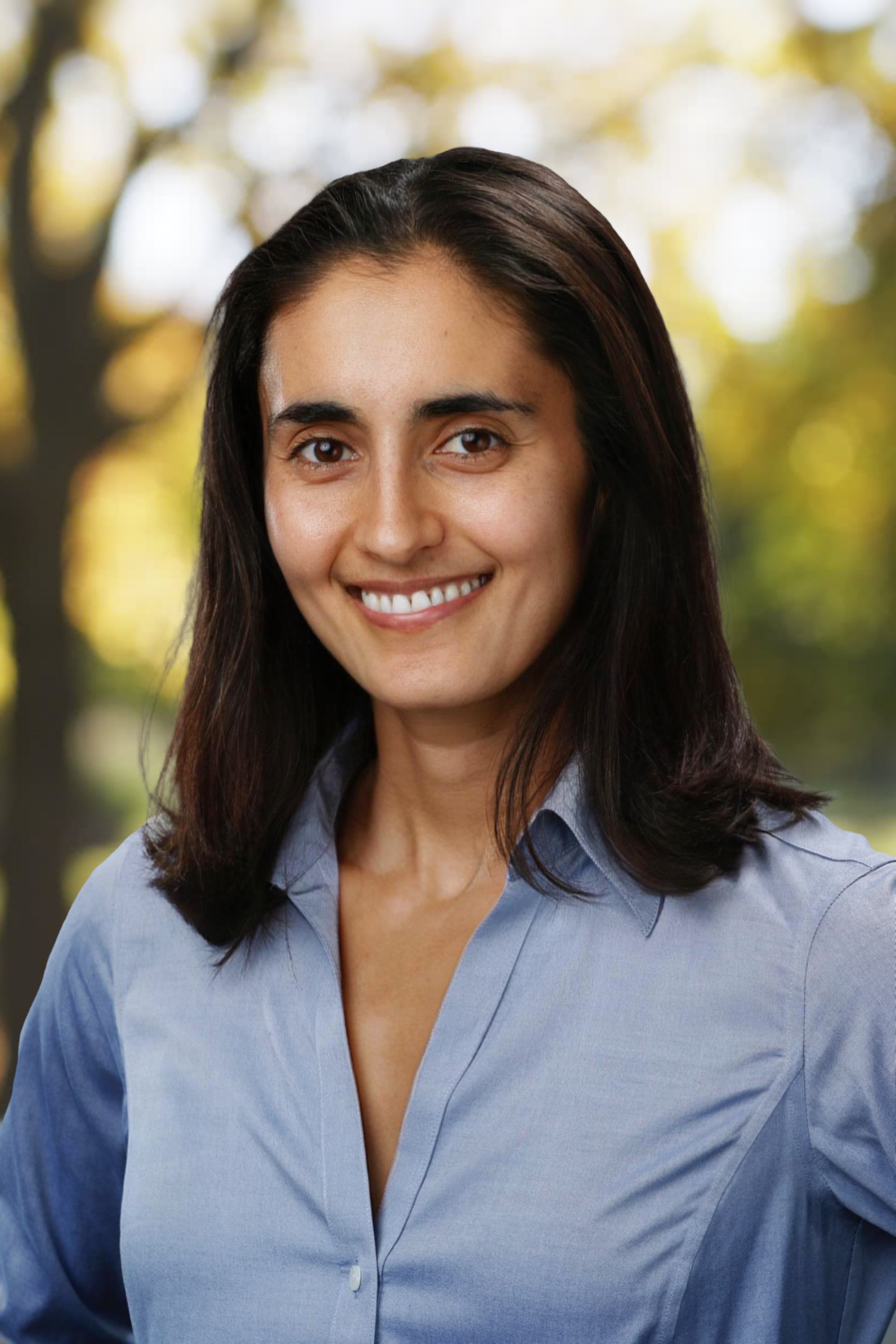
Maya Mathur is a statistician whose methodological research focuses on meta-analysis and other forms of evidence synthesis, missing data, selection bias, and causal inference (especially using graphical models).
Outside of methodological research, she directs the Stanford Humane and Sustainable Food Lab and serves as Associate Director of Stanford Data Science's Center for Open and Reproducible Science. Her primary appointment is in the Quantitative Sciences Unit.
I love hiking and backpacking. My regular hiking friends know I should never be in charge of navigation.
I like nonfiction and some novels. I like fiction that is dark, philosophical, ambiguous, and tightly written. Think Never Let Me Go, I Who Have Never Known Men, and Ted Chiang's short fiction. I host a nonfiction book club that has been described as "depressing."
I'm into dog sports, especially canicross: I run while my dog Sirius drags me on a bungee leash. It's all the fun of running fast with much less (human) athleticism. We're also learning other dog sports: agility, scent discrimination, and hunting wild morel mushrooms by scent.
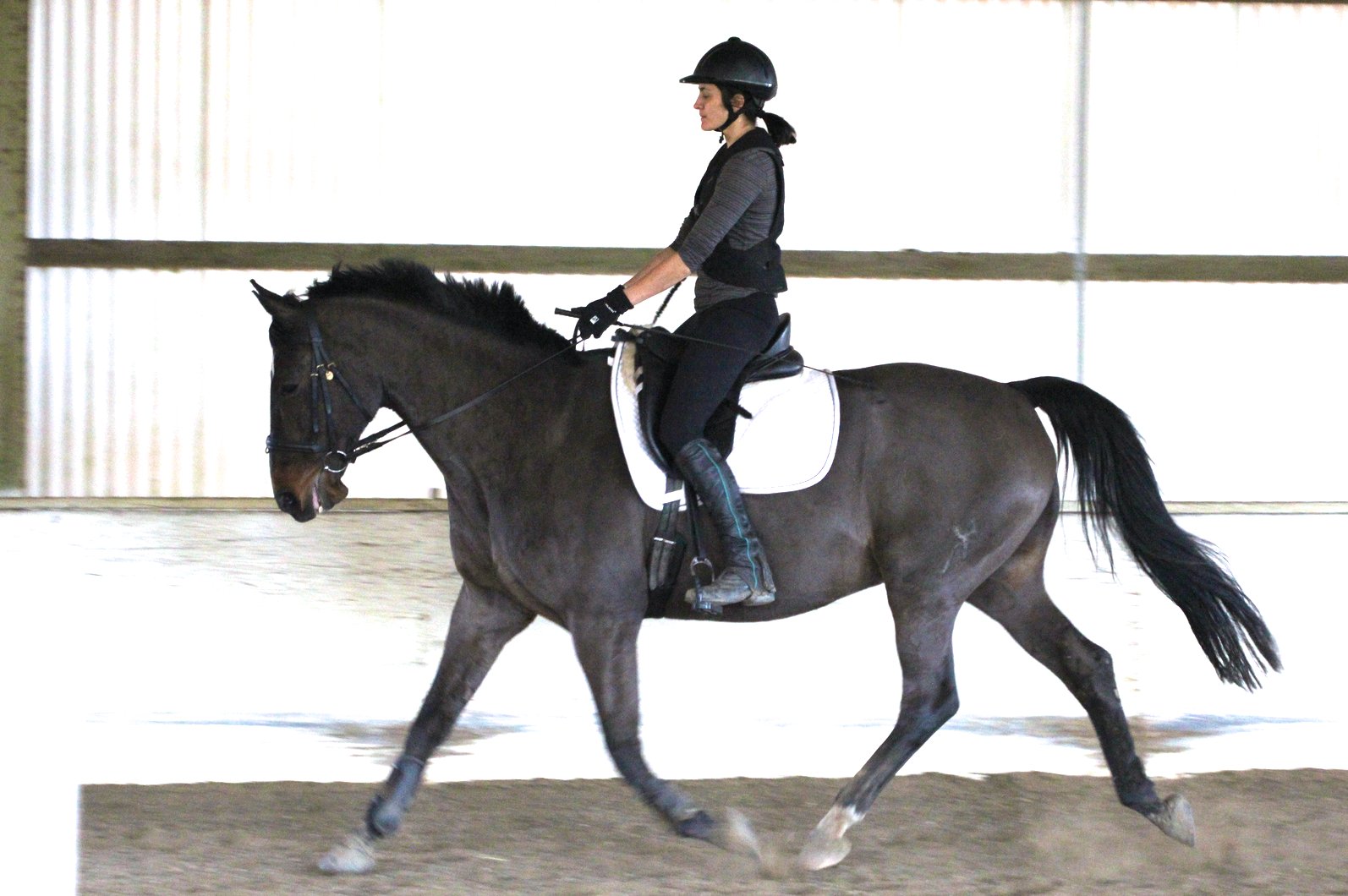
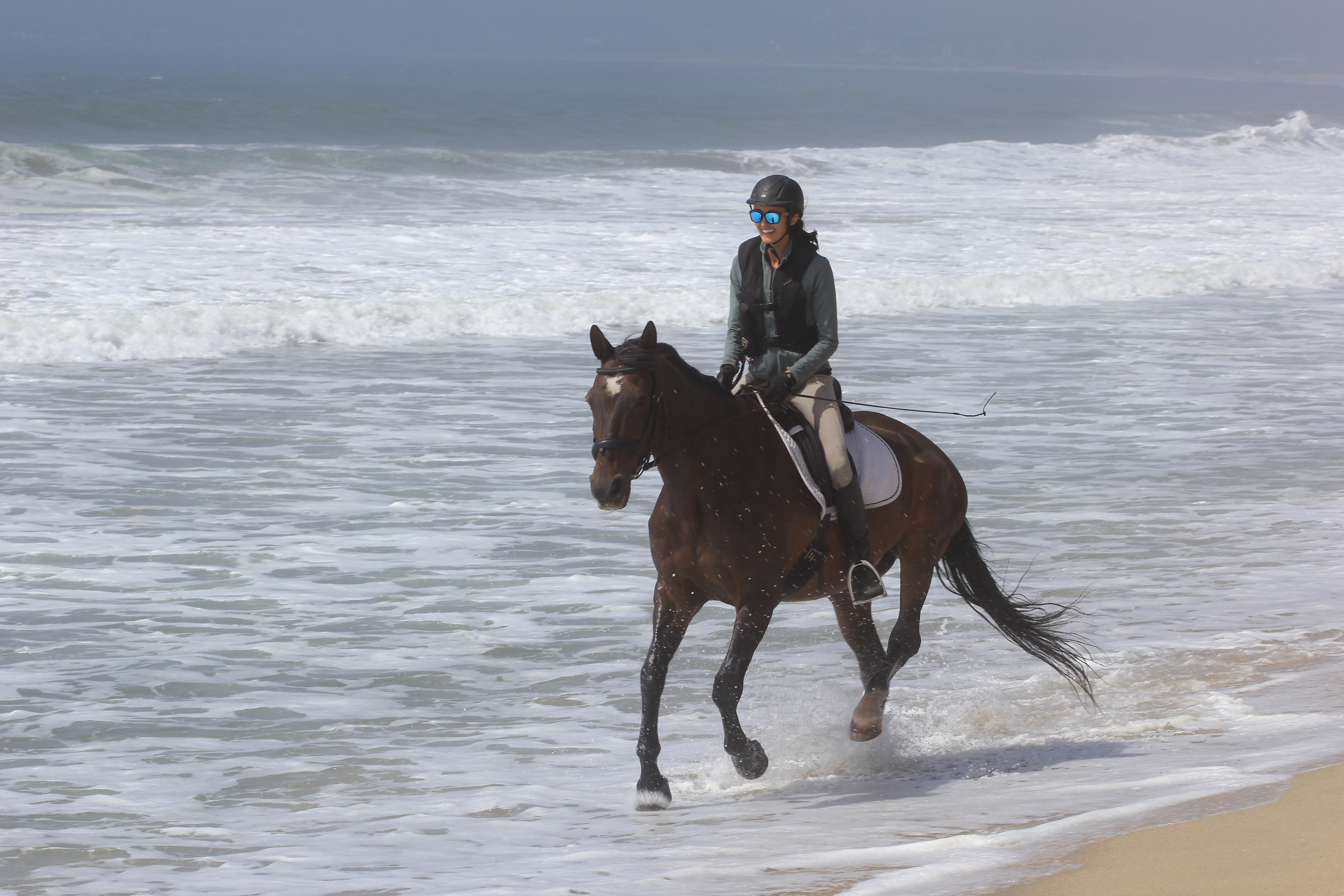
Before that, I rode classical dressage for fifteen years under the mentorship of Petra Sekerka, who descends intellectually from Egon von Neindorff. She's the best rider and horsewoman I have ever met. I had a wonderful Hanoverian, Zero Gravity, whom I rode and trained for many years. I was also fortunate to ride and train a Lipizzaner, Misha, owned by Petra. That little guy took me to a United States Dressage Federation Bronze Medal.
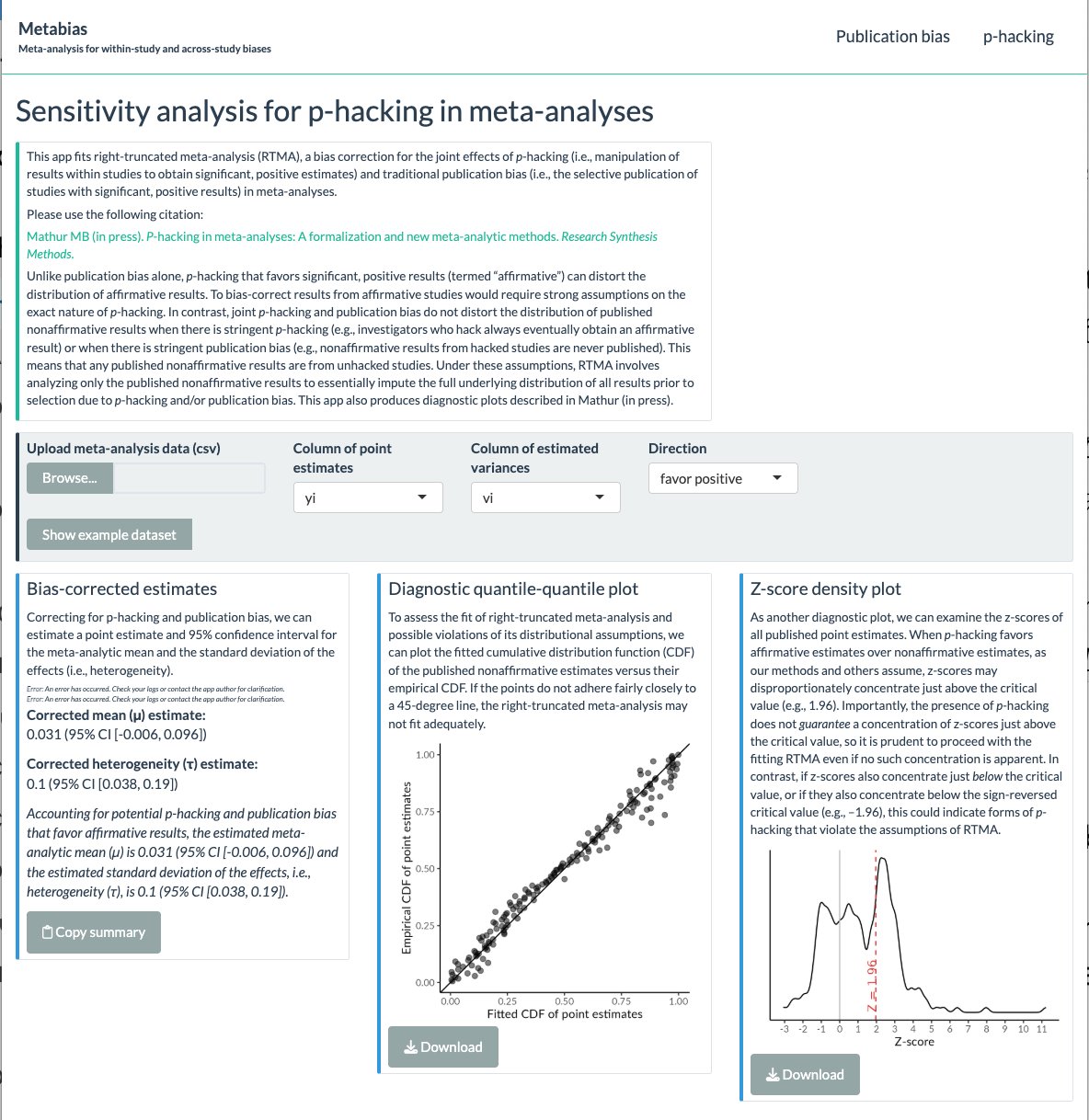
A web interface for running sensitivity analyses on meta-analyses — for publication bias, p-hacking, unmeasured confounding, and their joint effects. Implements the methods from many of the papers on this site as point-and-click tools that produce publication-ready output.
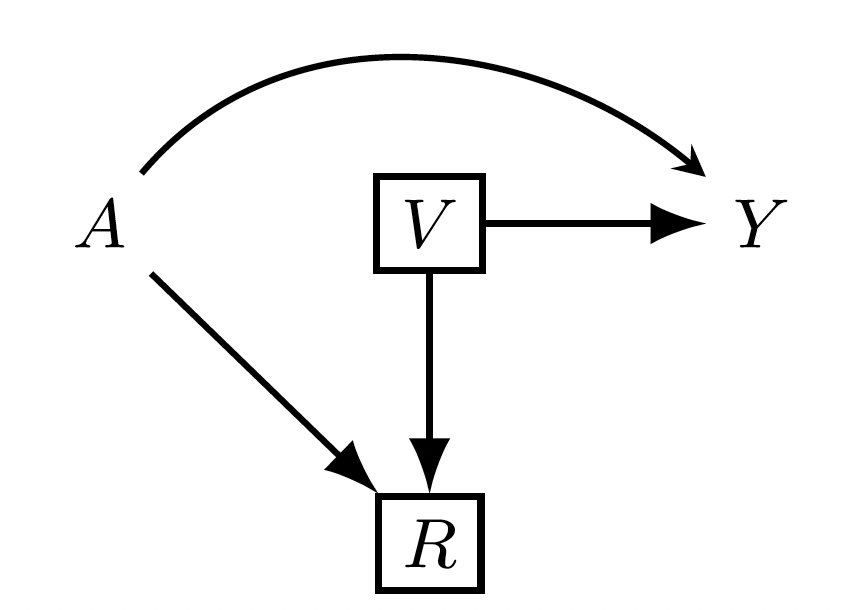
Two recent papers that together rethink how we should reason about — and adjust for — selection bias in causal estimation. The first gives a graphical principle for when covariate adjustment eliminates selection bias; the second uses that principle to defend complete-case analysis against its usual reputation.